How to Buy Cryptocurrency: A Practical Guide
By Alex Morgan · Published · Updated · 3 min read
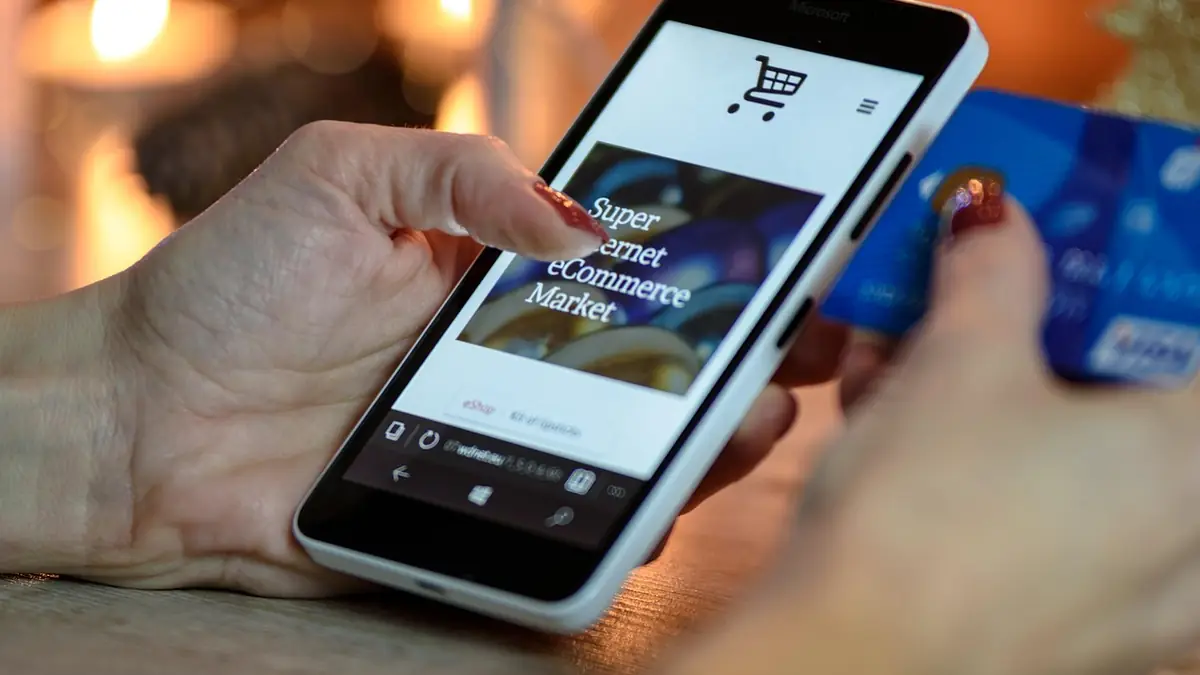
Buying cryptocurrency can seem daunting with so many exchanges, payment methods, and security considerations. But the process is straightforward once you understand the key steps and trade-offs. This guide walks you through buying crypto on centralized exchanges and peer-to-peer platforms, with practical tips to avoid common pitfalls.
Whether you're buying your first Bitcoin or adding to an existing portfolio, the choices you make—from platform selection to storage—affect your costs and safety. We'll cover fees, payment methods, verification, and security so you can buy with confidence.
Choosing the Right Platform
Centralized exchanges like Coinbase, Binance, and Kraken are the most common entry point. They offer high liquidity, user-friendly interfaces, and customer support. However, they require identity verification and hold your funds in custody, which introduces counterparty risk. For beginners, regulated exchanges in your jurisdiction are often the safest bet.
Peer-to-peer (P2P) platforms like LocalBitcoins or Paxful connect buyers directly with sellers. They support diverse payment methods, including cash and gift cards, and may require less verification. But P2P carries higher fraud risk and often higher prices. Use escrow services and trade with reputable sellers to mitigate risks.
- Regulated exchanges offer better consumer protection.
- P2P platforms provide privacy but require caution.
- Check if the platform supports your preferred payment method.
- Consider trading fees and withdrawal fees before signing up.
Payment Methods and Fees
Payment methods vary widely in cost and speed. Bank transfers (ACH/SEPA) are cheap—often free or under 1%—but take 1-3 business days. Debit/credit card purchases are instant but incur fees of 3-5%. Some exchanges accept PayPal or wire transfers, each with different fee structures. Always check the total cost, including spread and withdrawal fees.
Trading fees also vary: maker/taker fees on exchanges range from 0.1% to 0.5% for spot trades. For a $1,000 purchase, that's $1 to $5. Over time, these fees add up, so compare platforms. Crypto Trading Fees Compared: Which Exchange Is Cheapest? breaks down the costs across major exchanges.
- Bank transfers: low fees, slower settlement.
- Card payments: instant but 3-5% fees.
- P2P: variable fees, often 5-10% above market.
- Watch for hidden spread and withdrawal fees.
Account Setup and Verification
Most centralized exchanges require identity verification (KYC) to comply with regulations. You'll need to provide a government-issued ID, proof of address, and sometimes a selfie. Verification can take minutes to days. This process is standard for fiat-to-crypto purchases and helps prevent fraud.
Once verified, you can deposit funds and start buying. Set up two-factor authentication (2FA) immediately—preferably with an authenticator app rather than SMS. Also, whitelist withdrawal addresses and enable email confirmations for added security. These steps are non-negotiable in today's threat landscape.
- Complete KYC to unlock fiat deposits.
- Use a strong, unique password and 2FA.
- Enable withdrawal address whitelisting.
- Never share your login credentials.
| Method | Typical Fee | Speed | Verification | Best For |
|---|---|---|---|---|
| Centralized Exchange (Bank Transfer) | 0.1% - 1% | 1-3 days | Required | Low-cost, large purchases |
| Centralized Exchange (Debit/Credit Card) | 3% - 5% | Instant | Required | Quick, small purchases |
| Peer-to-Peer (P2P) | 5% - 10% (above market) | Minutes to hours | Varies | Privacy, alternative payments |
| Bitcoin ATM | 7% - 15% | Instant | Usually required | Cash purchases, convenience |
| Brokerage App (e.g., Robinhood) | 0% - 2% (spread) | Instant | Required | Simple interface, stocks+crypto |
Making Your First Purchase
Start with a small test purchase to familiarize yourself with the process. On an exchange, navigate to the buy/sell section, select your cryptocurrency, enter the amount, and choose your payment method. Review the total cost and fees before confirming. For P2P, choose a seller with good ratings, use escrow, and follow the platform's instructions carefully.
After buying, consider whether to leave your crypto on the exchange or withdraw to a private wallet. Exchanges are convenient for trading, but holding large amounts there exposes you to hacking risk. For long-term storage, a hardware wallet is safer. Top 5 Risk Management Rules for Crypto Traders covers this in more detail.
- Start with a small amount to test the process.
- Double-check the cryptocurrency and network before sending.
- Withdraw to a private wallet for long-term holding.
- Keep records of purchases for tax purposes.
Security and Storage Best Practices
Security doesn't end with buying. Store your crypto in a wallet you control—hardware wallets for large amounts, software wallets for smaller sums. Never share your private keys or seed phrase. Be wary of phishing emails and fake support accounts; always access exchanges by typing the URL directly.
Consider diversifying where you hold assets. Splitting between exchanges and self-custody reduces risk. Also, enable all available security features and regularly review account activity. If you're trading actively, How to Calculate Position Size for Crypto Trades helps manage risk.
- Use hardware wallets for significant holdings.
- Never share seed phrases or private keys.
- Beware of unsolicited offers and phishing attempts.
- Regularly review account security settings.
Taxes and Record-Keeping
In most jurisdictions, buying crypto isn't a taxable event, but selling, trading, or spending it is. Keep detailed records of each purchase—date, amount, price, and fees—to calculate capital gains later. Exchanges often provide transaction history, but it's wise to maintain your own log.
Tax rules vary by country, so consult a local tax professional. Crypto Tax Basics: What You Need to Report outlines common reporting requirements. Proper record-keeping saves headaches and ensures compliance.
- Record purchase date, amount, price, and fees.
- Use portfolio tracking tools or spreadsheets.
- Understand your country's tax treatment of crypto.
- Report taxable events accurately.
- Choose a regulated exchange for lower fees and better security, but consider P2P for privacy.
- Payment method significantly impacts cost: bank transfers are cheapest, cards and ATMs are expensive.
- Always enable 2FA and withdraw large holdings to a private wallet.
- Keep detailed records of purchases for tax reporting.
Alex has been trading cryptocurrencies since 2017 and specializes in technical analysis and risk management. He writes clear, actionable guides for traders of all levels.